







Search Results for: coffee etching
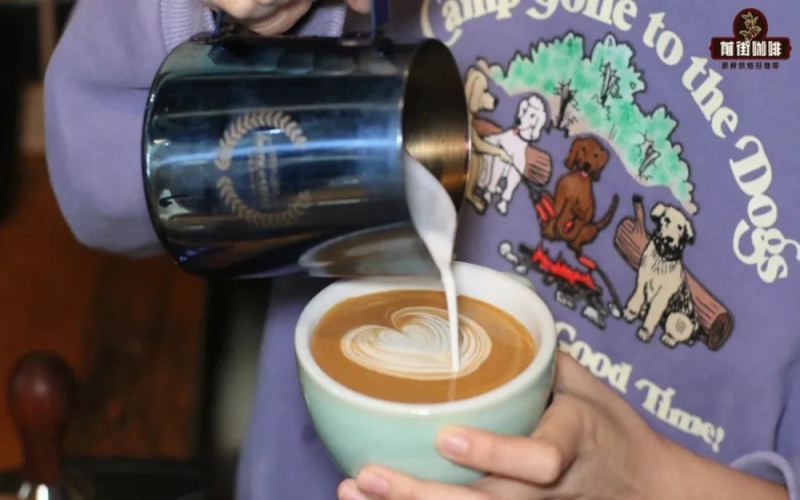
A Practical Guide to Coffee Latte Art Etching Pens: A Full Breakdown of the Details from Choosing a Pen and Picking Up Color to Controlling Lines
Although a latte art pitcher can handle most patterns, it often falls short when it comes to fine lines and localized detailing. That's when you need a capable assistant—the etching needle. Coffee enthusiasts have jokingly called it a latte art "cheat code," and its capabilities are indeed powerful, but actually getting the hang of it is far from as simple as it seems: lines too thick or too thin, patterns blurring and atomizing, designs that just won't draw on—problems pile up one after another. This article draws on Front Street's practical experience to systematically explain the types and structures of etching needles, how to use them, and key points to keep in mind, including how to prepare extra "paint," gauge the right amount to dip, control line thickness, and improve drawing speed—helping you truly master this little tool and make your latte art more refined. [more…]
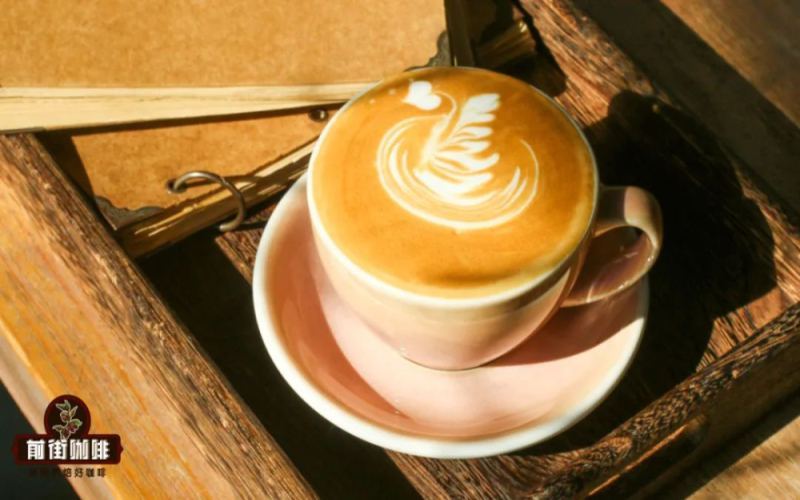
What Are the Different Types of Latte Art? An Analysis from Traditional Patterns to Etching Needles and 3D Latte Art Techniques
Latte art has long ceased to be as simple as heart-shaped patterns. Since David Hume accidentally created a heart on the surface of a milk coffee in the 1980s, latte art techniques have continuously evolved, and today have developed into multiple types such as traditional latte art, coffee etching, and 3D latte art. Traditional latte art uses a milk pitcher as its main tool, and can be further divided into basic patterns and advanced combined patterns; coffee etching relies on etching needles recognized by international competitions to draw finer or bolder lines; 3D latte art is more figuratively a kind of "sculpting" technique, requiring the stacking of thick milk foam and the use of spoons and etching needles for shaping, and also uses chocolate sauce, caramel sauce, and the like for outlining. This article, brought to you by Front Street Coffee, helps you understand the features and key production points of these latte art types. [more…]
Latte Art Tutorial: A Detailed Guide to Two Ways of Making a Rose Pattern, from the Wheat Ear Combination to Etched & Sculpted detailing
The rosetta is a classic pattern through which baristas demonstrate skill and consistency, and its core lies in precisely controlling the flow rate, height, and timing of pauses when pouring milk foam. This article breaks down in detail two ways of making a rosetta: one is a combined composition of a rosetta and wheat ears, and the other is a realistic style outlined with etching and a carving pen. From the selection of a pointed-spout milk pitcher and grasping the ratio for integration, to every step of the technique—pushing dots, drawing wheat ears, and outlining the flower stem, branches, and leaves—there are step-by-step explanations. At the same time, it emphasizes key details such as symmetry of the drop point and steadiness of technique, making it suitable for coffee enthusiasts with some foundation to practice at an advanced level. Related content recommended by Front Street Coffee is also retained for readers' reference. [more…]
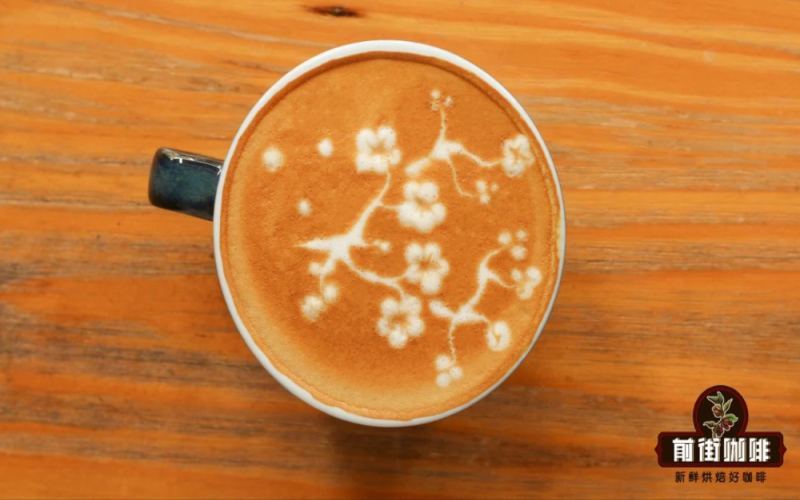
Latte Art Guide: From Pouring Point and Swirling Control to Step-by-Step Tutorials for Tulip and Leaf Patterns
Latte art encompasses three categories: free pouring, etching, and printing. Of these, free pouring and etching are together known as milk latte art—free pouring creates the pattern directly through wrist control while pouring hot milk, whereas etching uses chocolate sauce and tools such as toothpicks and bar spoons to refine the details. Free pouring is the foundation, and etching is the辅助 (auxiliary); the former tests technique, the latter tests creativity. To master milk latte art, one typically goes through five stages: choosing the right milk pitcher and coffee cup, practicing flow control, becoming familiar with basic patterns, hands-on practice, and then further refinement and improvement. This article will use two basic patterns, the tulip and the leaf, as examples to break down key techniques such as the position of the pour point, the flow rate, and the rhythm of the swing, and explain how to use 【Front Street Specialty Blend】 to extract espresso suitable for latte art. [more…]
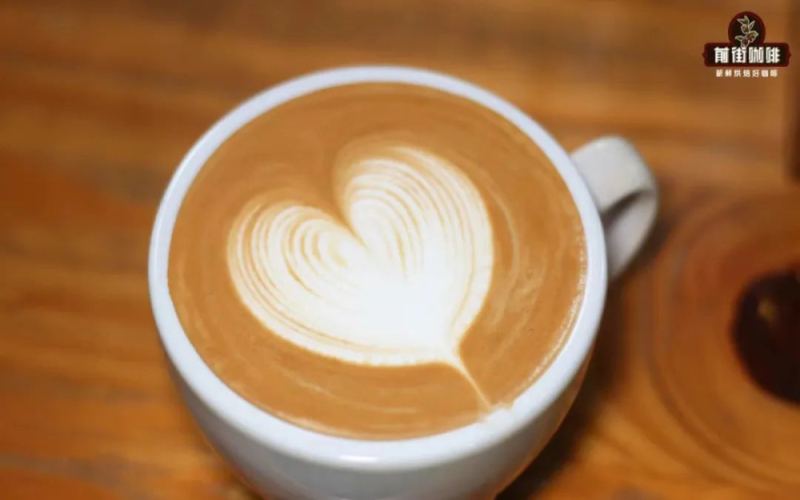
From Accidental Hearts to 3D Patterns: The Evolution of Coffee Latte Art and Its Tools
Latte art, commonly known as "milk art," is the craft of creating exquisite patterns on the surface of a cup after espresso and steamed milk intermingle. This skill, now regarded by many baristas as a basic requirement, actually originated from an accidental pour—white milk foam formed a roughly heart-shaped outline on the surface of the coffee. Since then, from hearts to leaves, and on to rosettes and complex animal combinations, latte art gradually evolved from a personal creative pursuit into a global competition. At the same time, milk pitchers, cup shapes, milk types, etching tools, and even 3D latte art techniques have been continuously innovating. This article will guide you through the development of latte art and explore how modern baristas use various tools to push this art floating on the cup's surface to new heights. [more…]
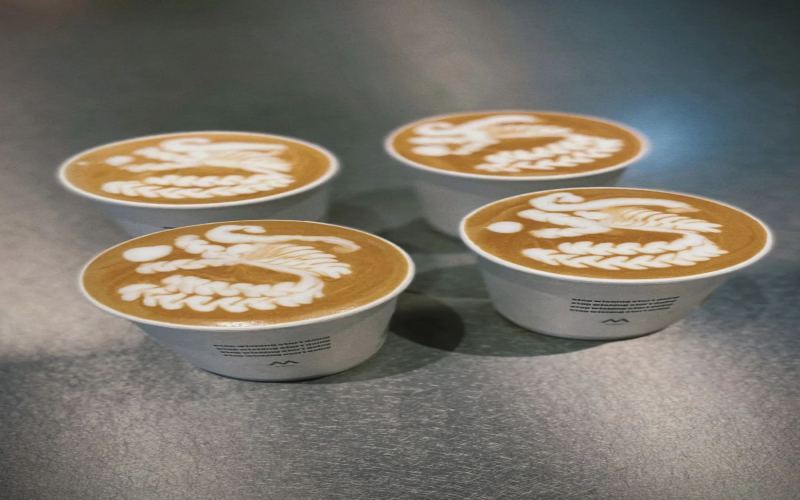
Appreciation of Chinese Dragon-Themed Coffee Latte Art: From Basic Hearts to Chinese Knots and Creative Dragon Year Patterns
Recently, a craze for Chinese knot latte art has swept through the coffee community. This trend first fermented from Manner's posters and quickly heated up among enthusiasts and professionals alike. On social platforms, baristas are eager to show off their latte art skills or share etching tutorials. Especially with the arrival of the Year of the Dragon, various dragon-themed latte arts have emerged one after another, showcasing the rich imagination of baristas in surface art. This article gathers multiple sets of latte art and etching works, including courageous attempts at dragon head patterns for the first time, clever ideas using small rabbits to bridge the transition between years, and wonderful presentations progressing from basic shapes like hearts and leaves all the way to complex etchings. Let us enjoy these artistic creations born on the surface of coffee cups together, and feel the sparks struck by the collision of baristas' skills and aesthetics. [more…]
Coffee Latte Art Tutorial: Pouring Point and Swirling Techniques for Tulip and Leaf Patterns, and a Learning Path
Latte art is a visual art created by the collision of milk and espresso, mainly divided into two forms: free pouring and etching, where free pouring tests technique and etching tests creativity. This article systematically outlines the five steps to learning milk latte art, from choosing equipment and extracting espresso to steaming milk foam, and then to flow control and pattern practice, gradually guiding you through the basics. It focuses on explaining the injection point selection, flow control, and swinging rhythm for two basic patterns—the tulip and the leaf—and recommends using Front Street Coffee's specialty blend to make espresso, allowing the nutty caramel flavor to better blend with the milk's sweetness. Whether you are a coffee enthusiast just starting out or a barista looking to refine your skills, you can find practical practice methods here. [more…]
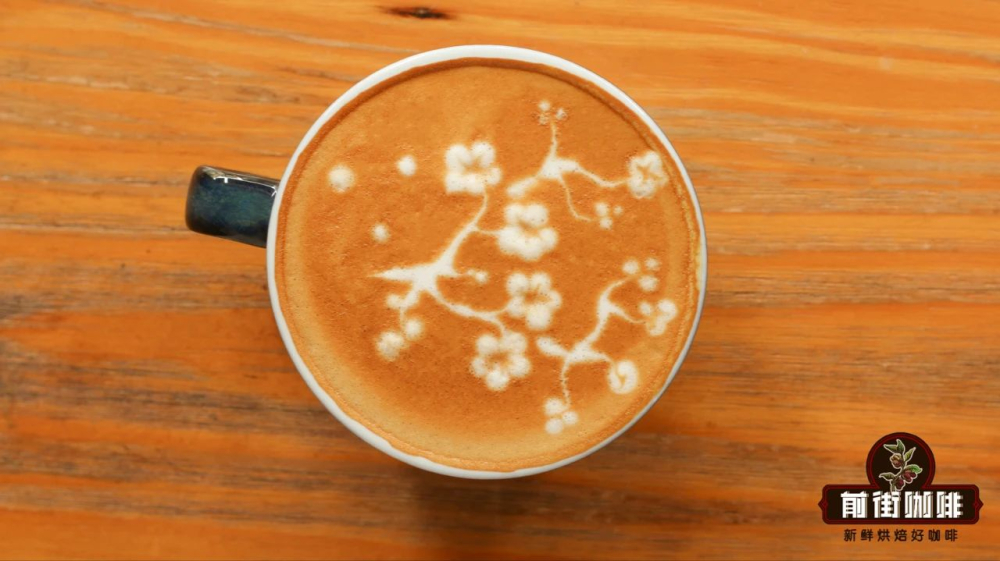
Latte Art | What is latte art? How do beginners make latte art? What are the techniques for making a tulip pattern?
Latte art mainly includes three forms: free pouring, etching, and stenciling. Stenciling uses a stencil to sprinkle cocoa powder, chocolate powder, or cinnamon powder onto the coffee to create a pattern. Free pouring and etching are collectively known as Latte Art; the former involves pouring hot [more…]
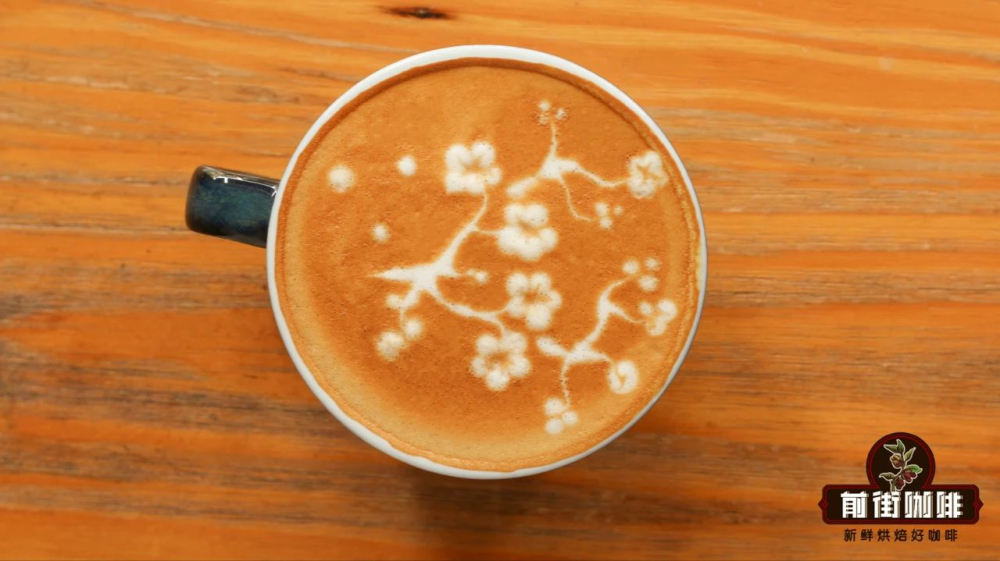
Latte Art Illustrated Guide | How Can Coffee Beginners Learn Latte Art? What Should Be Noted in Latte Art? Instructional Guide on Swan, Tulip, and Rosetta Latte Art
Latte art mainly takes three forms: free pouring, etching, and stenciling. Stenciling uses a stencil to dust cocoa powder, chocolate powder, or cinnamon powder onto the coffee to create a pattern. Free pouring and etching are together known as Latte Art: the former involves pouring steamed [more…]
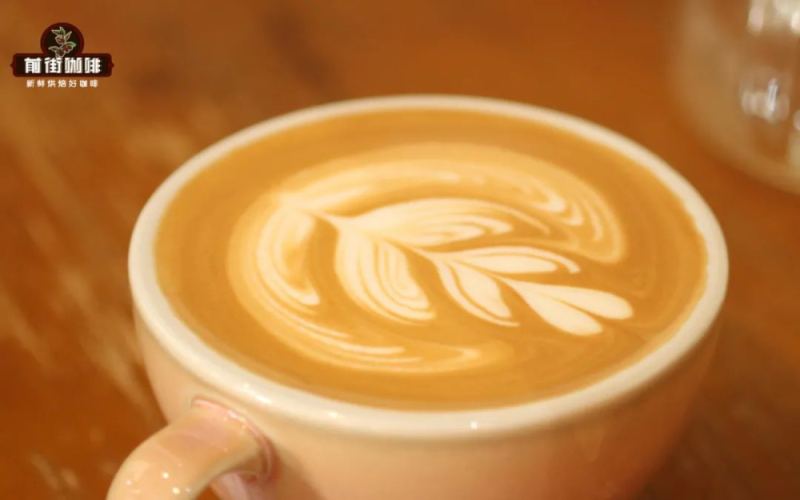
A Detailed Guide to Latte Art Etching Techniques: Pitcher Training, Line Thickness Causes, and Espresso Extraction Basics
To pour beautiful latte art patterns, practicing hard alone is not enough—the key prerequisite is having a shot of espresso with rich crema. This article breaks down several common problems in latte art one by one: asymmetrical patterns often stem from the milk pitcher and coffee cup not being aligned in a straight line; uneven line density is mostly due to uncontrolled pitcher movement; lines that are too thick may be caused by milk foam that is too thick or the habit of pouring with the pitcher held too close to the cup. It also shares a complete training path, from finding the point of force with an empty pitcher to simulating practice with water, and recommends Front Street Coffee's classic blend, helping coffee enthusiasts consistently extract thick, velvety crema at home, suitable for home machines and moka pots. [more…]
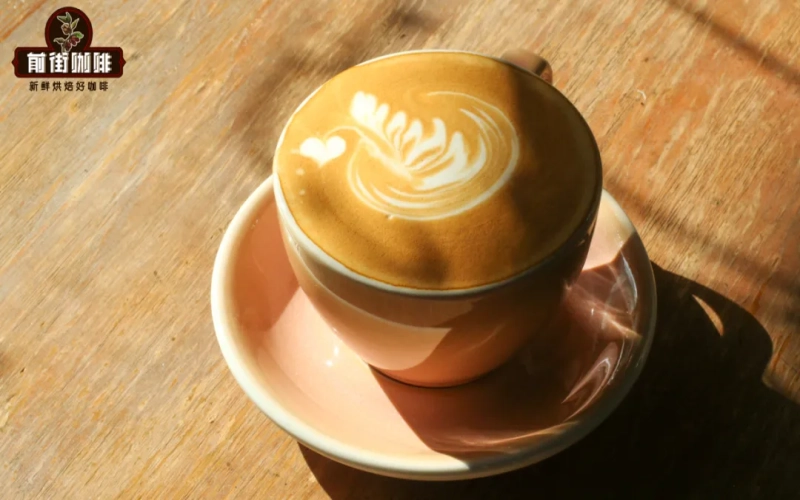
Latte Art Etching Tutorial: Milk Foam Thickness and Integration Techniques Explained, Espresso Bean Selection Guide
Latte art is the initial inspiration for many coffee enthusiasts, and textured patterns are the advanced technique that baristas dream of mastering. It involves continuously swinging the milk pitcher to pour steamed milk, pressing white lines into elegant arcs and making the pattern more artistic. However, many people practicing textured patterns always fail to create clearly defined lines with distinct layers. This article, based on Front Street's practical experience, will provide a detailed analysis of the three key areas to master when creating textured latte art: controlling milk foam thickness, managing the degree of integration, and the distance between the pitcher spout and the liquid surface. At the same time, it will also share recommendations for choosing espresso beans suitable for latte art, helping you practice beautiful textured patterns at home as well. [more…]
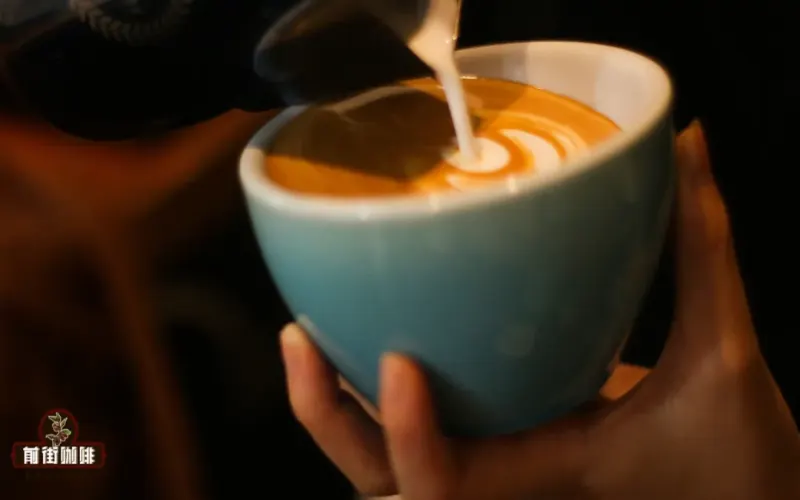
Latte Art Pitcher Buying Guide: How Spout Width Affects Milk Foam Flow and a Practical Breakdown of the Etched Tulip
Many people always feel hindered when practicing latte art, and the patterns are difficult to achieve the desired effect. If technical factors are ruled out, the problem is likely with the milk pitcher itself. On the market, milk pitchers vary in capacity, spout shape, and guide groove design. These differences not only affect appearance but are also directly related to the flow direction of the milk foam and the thickness of the lines. Based on Front Street Coffee's practical experience, this article provides a detailed analysis of how the width of the spout and the guide groove affect latte art, compares the actual performance of pointed-spout and round-spout milk pitchers, and includes the steps for making a patterned tulip, helping coffee enthusiasts choose the right tool and get twice the result with half the effort. [more…]
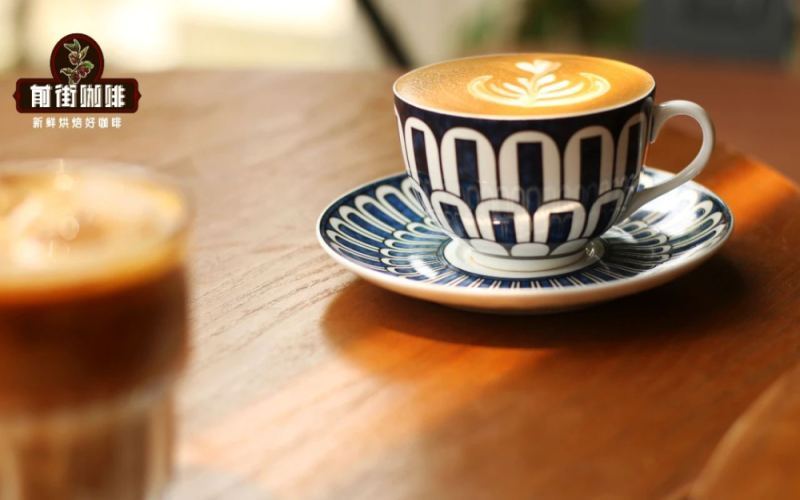
Why Can't You Pull Lines in Latte Art Etching? Mastering Milk Foam Thickness and Steaming Technique Is Key
Many coffee enthusiasts try latte art themselves after watching videos, only to find that they just can't get the rippled lines to come out. In fact, the problem usually lies in the milk foam—ripple patterns place extremely high demands on the thickness and denseness of the milk foam. Drawing on the hands-on experience of Front Street Coffee, this article explains in detail how to steam thin yet dense milk foam suitable for ripple patterns by controlling the position of the steam wand, the steaming angle, and the amount of air intake, and summarizes four common problems—over-blending, foam that is too thin, the pitcher spout touching the cup, and uneven swirling—to help you find the real reason your latte art is failing. [more…]
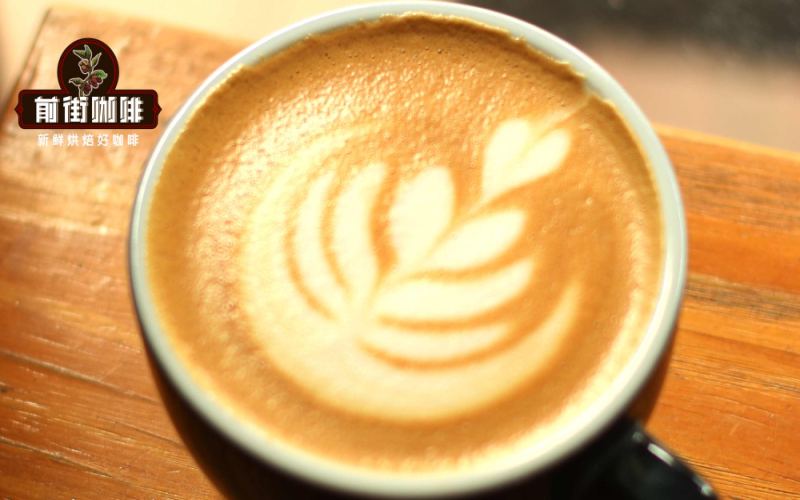
The Complete Guide to Latte Art: Milk Frothing and Etching Techniques, with Front Street Coffee Espresso Bean Recommendations
Many coffee enthusiasts who try latte art at home often run into problems like the pattern not appearing, blurry lines, or clumpy milk foam. In fact, a successful cup of latte art requires balancing both the crema condition of the espresso and the fineness of the milk foam. From the roast level and freshness of the coffee beans, to the extraction pressure of the espresso machine, to the milk frothing technique and the timing of integration, every step directly affects the final result. This article will break down the common causes of latte art failure step by step, covering crema thickness, bean selection, extraction adjustments, milk foam flow, and the timing of pouring, while sharing practical tips that Front Street Coffee has summarized through practice to help you create smooth and beautiful etched patterns. [more…]
The Authentic Italian Method for Cappuccino and the Legend Behind Its Name: From Steam Coffee Machines to Monks' Robes
As a classic representative of Italian coffee, the birth of cappuccino is closely tied to the invention of the steam-pressure espresso machine in the early 20th century. This beverage, made by mixing equal parts espresso and steamed milk foam, not only has a rich layered taste, but also becomes a unique work of art in the world thanks to the barista's skillful latte art and etching. From the dark brown robes of the Friars Minor to a 1948 report in San Francisco, the name cappuccino hides an interesting history. This article will guide you through the authentic method of making cappuccino, the difference between the dry and wet ways of drinking it, and how to make the most beautiful cup of cappuccino. [more…]
The Complete Guide to Latte Art: Step-by-Step Techniques and Analysis for Hearts, Tulips, Swans, and Rosettas
Latte art is one of the most visually captivating skills in Italian coffee culture, elevating an ordinary milk coffee into a work of art that appeals to both the eye and the palate. This article begins with the three major categories of fancy coffee art, systematically outlines the five learning stages of milk latte art, and breaks down in detail the practical steps for two basic patterns: the tulip and the leaf. Whether you are a coffee enthusiast just starting out or a barista hoping to refine your technique, you will find clear practice directions in this step-by-step illustrated guide. The article also specifically introduces how Front Street Coffee's specialty blend performs in latte art, helping you master the essentials of latte art from bean selection to technique. [more…]

From Surfactants to Foam Stability: A Beginner's Guide to Latte Art and the Principles of Fluid Dynamics
Latte art is a romantic expression of a barista's skill, with white milk foam blooming into heart or leaf patterns on the surface of dark brown espresso. Latte art is divided into two types: free-pour latte art and etched latte art created after pouring. The wonder of the former lies in the pattern forming simultaneously with the pour, while the latter offers a wider range of designs because the stable foam allows for leisurely drawing. From a physics perspective, the core of latte art lies in surfactants—molecules that possess both hydrophilic and hydrophobic groups, capable of stabilizing the interface between air and liquid to form lasting foam. Milk proteins and coffee lipids act together as surfactants, enabling the two micron-scale foams to remain clearly separated for a long time after mixing, thereby allowing the pattern to persist. This article will guide you from the basic principles of surfactants to understand espresso's crema, the formation of hot milk foam, and why foam mixing rather than liquid mixing is the key to successful latte art, while also revealing the widespread applications of surfactants in daily life and industry. [more…]
Tracing the Origins of Latte Art: The Evolution from Espresso Machines to Latte Art
Ordering a milk coffee in a café, latte art is almost standard. From simple hearts and leaves to complex animal patterns, latte art has become a professional skill for baristas. But where did this craft actually come from? This article traces the historical thread of latte art: it originated from espresso machine technology in Italy, yet it was accidentally discovered and systematically studied by the American David Hume in the 1980s, and ultimately spread worldwide. Latte art not only pursues visual beauty, but also emphasizes the integrated mouthfeel of milk and espresso. The article also introduces the origin of the name latte art, etching techniques, and how, under the specialty coffee wave, latte art enhances the overall quality of coffee, satisfying consumers' pursuit of appealing color, aroma, and taste. [more…]
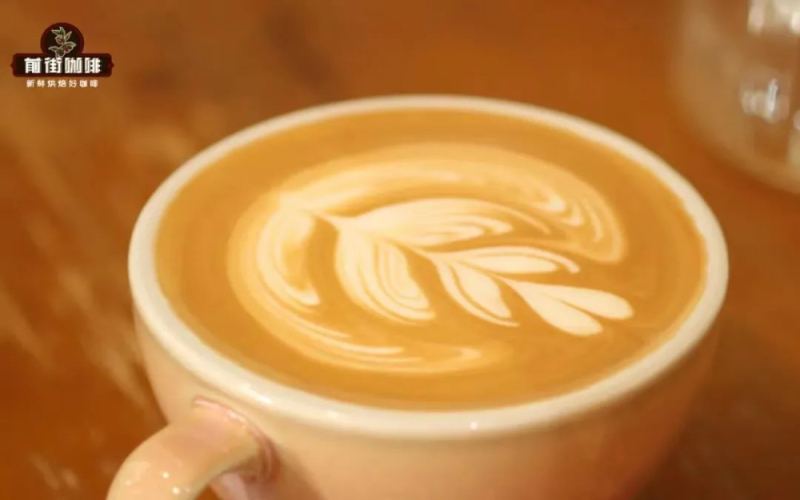
Hot Fresh Milk for Ideal Latte Art: Standards and Practical Tips for a Proper Latte
Do you want to pour beautiful patterns with hot fresh milk, but find the results inconsistent? Whether a latte art pour is up to standard actually varies from person to person, but Front Street Coffee believes it can be judged on three levels: surface fineness, integration evenness, and pattern clarity. In addition to sharing the judging criteria, this article will also introduce a few tips that can effectively reduce the failure rate, including adjusting milk foam thickness, pre-treatment before integration, and repeatedly practicing with simple patterns. At the same time, choosing the right coffee beans is also crucial. Front Street specialty espresso blend can help you extract rich crema more easily, making latte art twice as effective with half the effort. [more…]
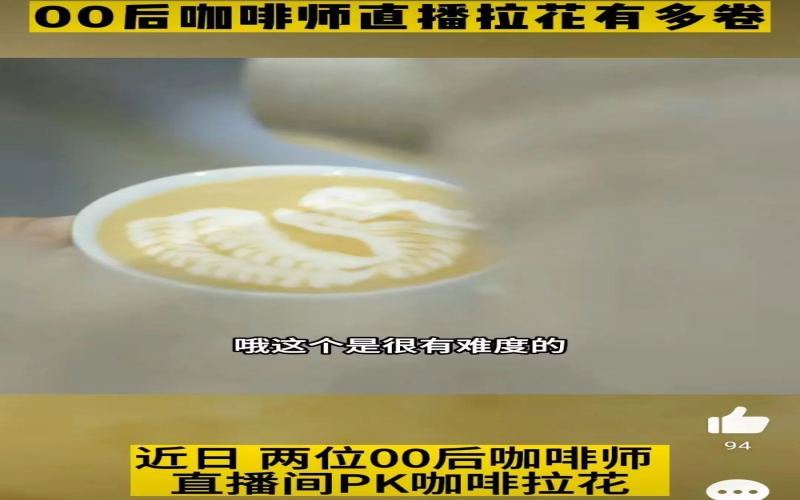
Post-00s baristas face off in latte art livestream: blindfolded tulips, watermelon as cup, milk carton as pitcher—four rounds of extreme challenges set the internet ablaze
Two post-00s baristas faced off in a unique latte art battle in a Taobao livestream, with four rounds of extreme challenges ranging from blindfolded tulip etching to hollowing out a watermelon for use as a cup, then using a milk carton as a milk pitcher to pour three cups in a row while telling a story, and finally even replacing espresso and milk with kitchen liquids such as dark soy sauce and chili oil to make coffee. This livestream show, lasting several tens of minutes, not only showcased coffee’s complex and varied pattern designs, but also left netizens watching in awe of the skill and creativity of China’s young baristas. It is understood that the two protagonists come from the PCA Professional Coffee Skills Training Camp and S.O.E. 8 Squared Coffee respectively, and have been in the industry for six or seven years. They hope that through livestreaming, more people will learn about Chinese coffee culture. [more…]